Aging is not a sudden event; it is a gradual and evolving process. As individuals grow older, their daily needs naturally shift across physical, emotional, and practical areas. Navigating these transitions smoothly requires a clear understanding of the full spectrum of available senior care options. From active retirement routines to comprehensive medical assistance, the senior care continuum offers a practical roadmap for every phase of life.
Families often feel overwhelmed when researching potential care options for aging parents. Above all, they want their loved ones to remain safe, comfortable, and deeply respected at every age. Early in retirement, preventive health measures and holistic wellness services help individuals preserve their natural energy, mental clarity, and physical mobility. As time moves forward, minor joint pain, balance issues, or cognitive shifts may require additional hands-on assistance inside the house. Introducing dedicated senior home care allows older adults to maintain their cherished home routines while receiving friendly help with essential tasks like cooking, housekeeping, and personal grooming. By viewing elder care as an ongoing journey rather than a crisis response, families can make thoughtful, informed decisions together. Proactive planning removes guesswork and ensures that aging adults receive compassionate support long before an emergency occurs.
Understanding the Transitions in Senior Health
Aging rarely follows a strict or predictable timeline. One person might remain completely independent well into their eighties, while another might require structured physical assistance much earlier due to joint stiffness or chronic illness. Learning to recognize how physical and emotional needs change over time helps families match the right level of support with the right moment.
During early retirement, many older adults focus on staying active, eating well, and prioritizing personal self-care. Some seniors even explore modern non-invasive treatments at a local medispa to maintain healthy skin, relieve deep muscular tension, or boost personal confidence. These restorative routines contribute significantly to overall well-being, body positivity, and everyday happiness.
However, subtle shifts can occur as the years pass. A minor slip, a prolonged recovery from a seasonal illness, or increasing difficulty keeping up with household chores often signals that extra assistance would be helpful. Rather than forcing a sudden move to an institutional setting, hiring a flexible home care service provides a sensible middle ground. Professional caregivers step in to assist with daily responsibilities, allowing the individual to remain in familiar surroundings. Spotting these transitional markers early empowers families to adapt gracefully, turning care planning from a stressful, chaotic reaction into an organized, supportive strategy that respects the senior’s personal choices.
Proactive Health, Energy, and Preventive Care

Healthy aging begins long before an older adult requires help with basic daily activities. Maintaining physical strength, mental sharpness, and meaningful social connections during early senior years builds a firm foundation for long-term vitality. Taking a proactive stance toward health significantly reduces the risk of serious injuries and helps manage long-term medical conditions far more effectively.
Staying vibrant involves regular exercise, balanced nutrition, and active community involvement. Many communities now offer specialized fitness programs designed specifically for older adults. Participating in structured wellness services—such as gentle water aerobics, low-impact yoga, or personalized nutrition counseling—helps seniors maintain joint flexibility, balance, and muscle strength. Preventive health routines also include regular hearing, vision, and balance checks to catch minor health changes before they develop into major mobility challenges.
When an unexpected strain, joint injury, or surgical procedure threatens to slow down an active lifestyle, targeted rehabilitation makes a dramatic difference. Enrolling in a personalized physical therapy rehab service allows individuals to restore range of motion, rebuild muscle tone, and correct minor gait imbalances safely. Physical therapists teach seniors specific, home-friendly exercises designed to prevent future falls, which remain a primary cause of lost independence in older adults. Investing time in physical maintenance allows aging adults to continue enjoying their favorite hobbies, traveling, and staying fully connected with their families.
Maintaining Quality of Life with In-Home Support
For many older adults, remaining in their own home for as long as possible is a top priority. The familiar neighborhood, cherished memories, and deep sense of independence provide psychological comfort that commercial care environments struggle to match. However, maintaining a property and handling personal care tasks can become exhausting as physical stamina declines or mild memory lapses occur.
This is where tailored in-home support plays an invaluable role. Bringing in a trusted home care service offers a safe, practical solution for seniors who wish to age in place. Professional care aides assist with routine daily activities such as bathing, dressing safely, managing medication schedules, and preparing nutritious meals. Having an extra set of hands prevents common household accidents and takes immense physical strain off adult children who may be balancing their own careers and parenting responsibilities.
Choosing reliable senior home care is about far more than basic physical assistance; it provides essential human connection and companionship. Isolation is a serious risk for aging adults who live alone, often contributing to low mood, anxiety, or cognitive decline. Friendly caregivers offer warm conversation, accompany seniors on local errands, and encourage active participation in creative hobbies. By customizing home support to fit the specific habits of the individual, families ensure that their loved ones enjoy comfort, dignity, and independence in the home they cherish.
Managing Specialized Medical and Restorative Needs
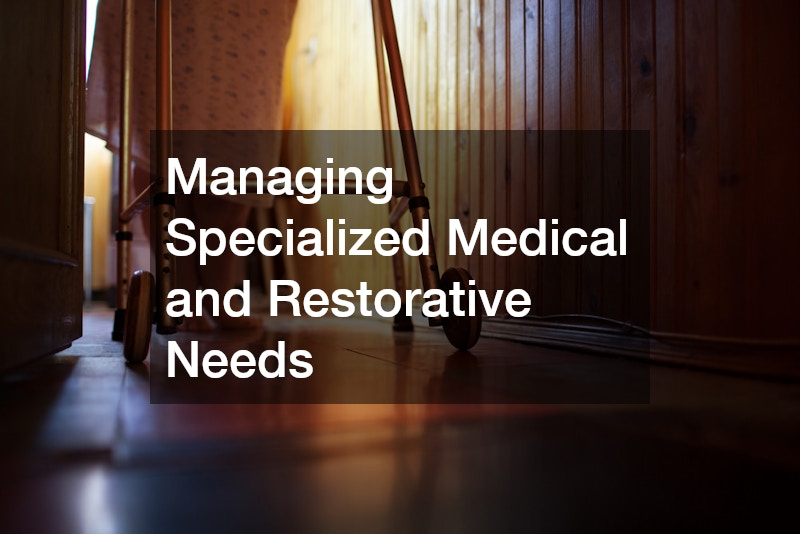
As health needs become more complex, specialized medical care and clinical equipment become routine components of daily living. Health conditions such as advanced arthritis, cardiovascular issues, stroke recovery, or chronic sleep disorders require specific care routines to maintain physical stability and avoid unnecessary trips to the emergency room.
Sleep quality, for example, directly impacts heart health, memory retention, and daytime energy levels in older adults. Seniors diagnosed with obstructive sleep apnea frequently rely on a cpap machine to maintain open airways throughout the night. Consistent use of this device restores refreshing sleep, lowers high blood pressure risks, and improves cognitive focus during waking hours. Family members or visiting care aides often assist with cleaning the equipment, ensuring a comfortable mask fit, and keeping replacement parts on schedule.
Physical rehabilitation is equally critical when recovering from a hospital stay, joint replacement surgery, or physical injury. Engaging a dedicated physical therapy rehab service pairs seniors with skilled therapists who specialize in geriatric health. These professionals create customized exercise plans that rebuild leg strength, improve walking balance, and alleviate chronic physical pain. Whether delivered in an outpatient clinic or directly within the home, structured physical rehabilitation empowers aging adults to regain lost mobility, rebuild personal confidence, and safely resume their daily routines.
Transitioning to Supportive Community Environments
There comes a time when managing a private home becomes too physically demanding, or when living alone creates safety concerns. Household chores, yard upkeep, structural maintenance, and preparing daily meals can consume energy that would be far better spent enjoying social activities and hobbies. In these situations, community-based living offers an ideal balance of freedom and assistance.
Moving into a modern assisted living community provides older adults with a lively, safe environment tailored to their changing abilities. Residents live in private apartments while enjoying shared amenities such as restaurant-style dining rooms, libraries, landscaped gardens, and organized social outings. Staff members are present around the clock to assist with medication schedules, personal care, and mobility whenever needed. This setup removes the headaches of home ownership while creating natural opportunities for vibrant social connections among peers.
Today’s senior communities also place a strong emphasis on personal enrichment and self-care. Many offer resort-style amenities directly on campus, including fitness suites, creative art studios, and specialized beauty options. Accessing gentle skin treatments, therapeutic massages, or aesthetic care through a visiting medispa practitioner allows residents to pamper themselves and maintain their personal grooming routine. This thoughtful combination of daily support, active social life, and personal luxury helps seniors embrace community living with enthusiasm.
Around-the-Clock Medical Oversight and Skilled Support
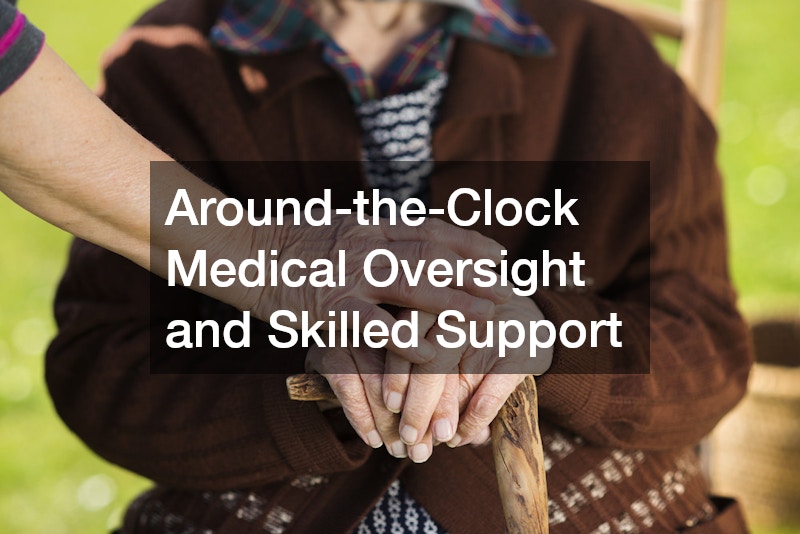
Certain health conditions require a level of continuous medical care that cannot be safely managed at home or in a standard residential setting. Advanced dementia, severe neurological conditions, complex surgical recovery, or multi-system medical issues demand direct, round-the-clock clinical supervision from qualified healthcare professionals.
In these circumstances, specialized nursing home facilities offer the necessary medical environment. These clinical care centers employ licensed practical nurses, registered nurses, and medical directors who continuously monitor health indicators, administer complex medications, and respond quickly to changing medical conditions. Modern facilities work hard to combine clinical excellence with warm, welcoming living spaces so that residents feel safe, comfortable, and cared for at all times.
Daily life in skilled nursing care often centers around managing complex medical equipment and chronic conditions. For instance, nursing staff members make sure that residents who use a CPAP system for nighttime breathing receive proper adjustments, equipment sanitization, and oxygen level checks. Skilled nursing teams collaborate closely with attending physicians, physical therapists, and nutritionists to build comprehensive, highly personalized care plans. Knowing that a professional medical team is overseeing every detail brings immense comfort to family members, allowing them to focus on spending meaningful time together.
Financial Preparation for Long-Term Living and Care
Navigating long-term senior care requires practical planning. The costs associated with home care aides, medical equipment, rehabilitation, and residential care settings can accumulate quickly over months and years. Without a clear financial strategy, families may experience unnecessary financial strain during what is already an emotionally challenging period.
Understanding available funding sources is essential for building a flexible financial plan. Many families are unaware that certain existing financial assets can be used strategically for healthcare needs. For example, reviewing a life insurance policy may reveal options to access living benefits, long-term care riders, or policy settlements to fund ongoing care costs. Utilizing these policy features can help cover out-of-pocket medical costs, preserving family savings while ensuring that the senior receives top-quality care.
Proactive financial planning also allows families to evaluate different care options without feeling rushed. Whether budgeting for a part-time home care service to assist a relative at home or preparing for a future move to a residential facility, early financial discussions prevent sudden surprises. Consulting with elder law attorneys or financial advisors who specialize in senior care ensures that the individual’s long-term health and lifestyle preferences are fully supported while protecting the financial health of surviving family members.
Compassionate Legacy and End-of-Life Care
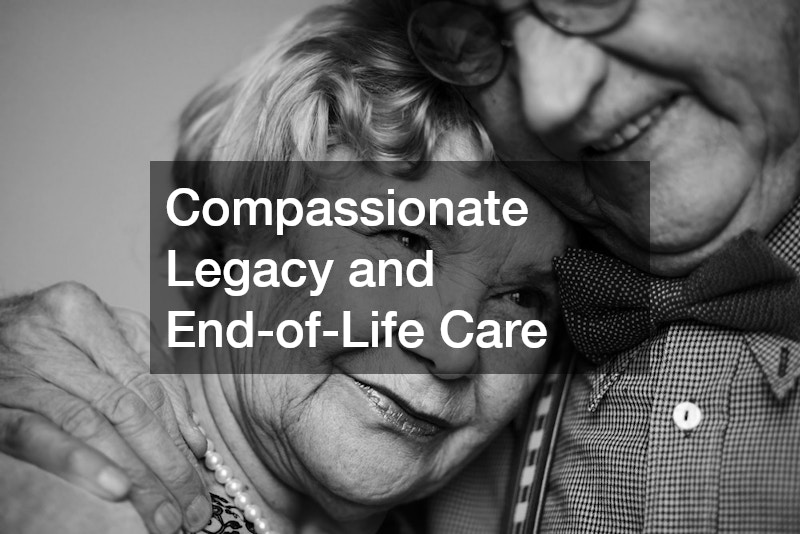
The final stage of the senior care continuum centers on peace, physical comfort, and honoring a person’s life journey. Palliative and end-of-life care focus on relieving physical pain, easing emotional distress, and creating a peaceful, supportive environment for both the individual and their family members.
During this gentle transition, care teams in nursing home facilities or specialized hospice programs work side by side with families to meet physical, emotional, and spiritual needs. Nurses and care aides prioritize pain management, skin care, and quiet companionship. Having open, honest conversations about end-of-life preferences ensures that the individual’s personal values, belief systems, and care wishes are fully respected throughout their remaining time.
Part of this stage also involves handling practical legal, legacy, and memorial decisions. Pre-planning a personalized funeral service removes a significant emotional and financial weight from surviving family members during their time of grief. Documenting specific choices regarding burial, cremation, memorial music, and family gatherings guarantees that the service truly reflects the individual’s personality and values. Completing these arrangements in advance allows families to focus on love, shared memories, and quiet togetherness.
Planning Ahead for a Peaceful Future
Navigating the senior care continuum is a deeply personal process that requires patience, empathy, and accurate knowledge. Aging is not a single, rigid path but a fluid series of transitions, each bringing unique needs and new possibilities. By taking time to explore available options—from early wellness routines and in-home help to residential communities and skilled medical care—families can build a reliable support system that adapts alongside their loved ones.
Exploring financial options like a life insurance policy early provides peace of mind and expands available care choices. Whether transitioning into a vibrant assisted living community or arranging extra help at home, proactive planning protects the senior’s dignity and quality of life. Embracing every stage of the care journey with clear information ensures that older adults live safely, comfortably, and happily throughout their golden years.