

Caring for a family and maintaining a home often feel like two full-time responsibilities that compete for attention. Between managing health appointments, keeping living spaces functional, and ensuring everyone’s daily needs are met, it can be difficult to stay organized without feeling overwhelmed. Many households approach these responsibilities reactively, addressing issues only when something breaks or a problem becomes urgent. While this approach may feel unavoidable at times, it often leads to stress, inefficiency, and burnout.
A more sustainable approach is coordination. When health care, home services, and daily support are planned together rather than separately, families gain clarity and control. Coordination does not mean rigid scheduling or over-planning. Instead, it means understanding how different aspects of family life affect one another and arranging services in a way that supports balance. A well-timed home project can reduce disruption to daily routines, just as proactive health care planning can prevent emergencies that derail family schedules.
This guide is designed to help families think holistically about care—both for the people in the household and the home itself. Each section focuses on an area where thoughtful coordination can make everyday life smoother. By planning intentionally and addressing needs in the right order, families can reduce stress, protect their time, and create an environment that supports long-term well-being.
Maintaining Outdoor Spaces With Intention
Outdoor spaces play a major role in how families experience their homes. Yards, gardens, and exterior areas are often used for relaxation, play, and gatherings, yet they are frequently neglected until problems arise. Uneven growth, drainage issues, or neglected landscaping can quickly become time-consuming distractions if not addressed proactively.
Scheduling local landscaping services as part of a seasonal planning routine allows families to maintain outdoor areas without constant oversight. When landscaping is handled at predictable intervals, it supports safer play spaces, better drainage, and a more inviting environment overall. Planning these services around family schedules helps minimize disruption to daily routines.
By coordinating outdoor maintenance with other household responsibilities, families avoid reactive fixes and last-minute scrambling. Well-maintained outdoor spaces contribute to both physical safety and emotional comfort, reinforcing the home as a place of stability and care.
Planning for Pet Care During Busy Seasons

Pets are integral members of many families, and their care requires just as much planning as human needs. Travel, long workdays, and seasonal commitments can disrupt normal routines if pet care is not coordinated in advance. Without preparation, families may feel rushed or anxious about their pets’ well-being.
Arranging local dog boarding ahead of time allows families to plan trips or busy periods with confidence. Knowing that care is secured reduces stress and ensures pets remain safe and comfortable. Early planning also allows time to communicate routines, dietary needs, and behavioral preferences.
When pet care is integrated into family planning, it becomes predictable rather than disruptive. Children learn responsibility, parents gain peace of mind, and pets experience consistent care. Coordination turns what could be a source of stress into a manageable part of family life.
Coordinating Recreational Activities Responsibly
Recreation and leisure are essential for family bonding, but they require thoughtful planning to remain enjoyable. Spontaneous outings can be fun, yet larger activities often involve logistics that can become stressful if not anticipated.
Scheduling a local boat rental, for example, requires aligning availability, weather conditions, and family schedules. Planning ahead ensures the experience remains relaxed and enjoyable rather than rushed or chaotic. Coordinating recreation with other responsibilities prevents it from interfering with essential tasks.
When families intentionally plan recreational activities, they create meaningful experiences without compromising daily stability. Thoughtful scheduling allows leisure to enhance family life rather than disrupt it.
Supporting Musculoskeletal Health Through Routine Care

Physical health often reflects the cumulative effects of daily routines, posture, and stress. Many families delay addressing musculoskeletal discomfort until it interferes with daily life, which can make recovery more difficult.
Incorporating visits to local chiropractors into a broader health plan supports long-term mobility and comfort. Scheduling care during predictable times allows family members to address concerns proactively rather than reactively. This approach reduces the likelihood of discomfort escalating into more serious issues.
When physical health is managed intentionally, families maintain greater energy and resilience. Routine care supports both productivity and emotional well-being, helping families navigate busy schedules with greater ease.
Daily habits such as sitting, lifting, and repetitive motion quietly affect physical well-being over time. Many families normalize discomfort until it interferes with work, sleep, or caregiving. A proactive approach helps prevent these issues from escalating.
Routine care supports alignment, mobility, and overall comfort. When appointments are planned as part of regular schedules, they feel manageable rather than inconvenient. This consistency also encourages family members to pay attention to posture, ergonomics, and movement throughout the day.
By addressing physical health before pain becomes limiting, families preserve energy and resilience. Routine care supports productivity and reduces the likelihood of sudden disruptions caused by injury or discomfort.
Addressing Hormonal Health With Long-Term Planning
Hormonal balance plays a significant role in energy levels, mood, and overall wellness. Changes in hormones can affect daily functioning, relationships, and stress management. Families often overlook this aspect of health until symptoms become disruptive.
Exploring local hormone therapies as part of a comprehensive health strategy allows individuals to address concerns thoughtfully and gradually. Early planning provides time to evaluate options and adjust routines without pressure.
When hormonal health is supported proactively, families often experience improved stability and focus. Addressing these needs early prevents disruptions and supports a more balanced household environment.
Hormonal health influences mood, focus, and emotional stability, often in subtle ways that accumulate over time. Without awareness, changes can be misattributed to stress or fatigue, delaying meaningful support. Long-term planning helps individuals recognize patterns and respond thoughtfully.
Gradual adjustments allow the body time to adapt, which often leads to better outcomes. Planning ahead also reduces emotional strain, as decisions are made calmly rather than during moments of discomfort. This foresight supports consistency and patience throughout the process.
When hormonal well-being is addressed proactively, families often notice improved communication and emotional balance. Supporting this aspect of health contributes to a more stable household environment overall.
Scheduling Home Improvements Around Family Life
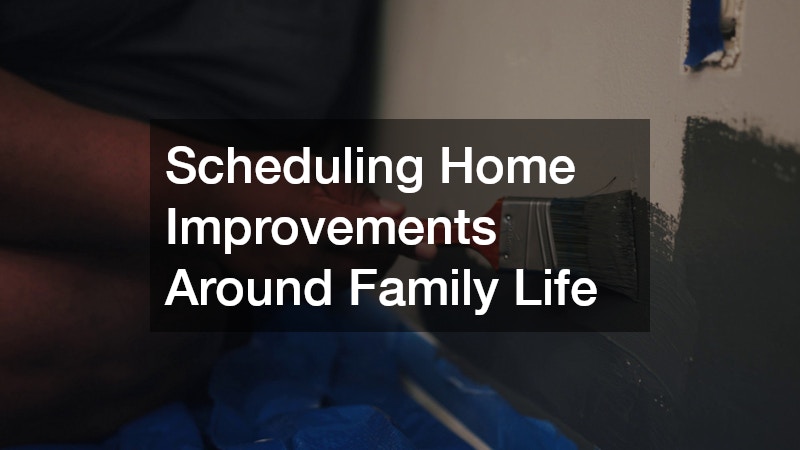
Home improvement projects can significantly enhance comfort and functionality, but they can also disrupt daily routines if not planned carefully. Noise, dust, and limited access can interfere with work, school, and rest.
Working with interior and exterior painting contractors as part of a coordinated schedule helps minimize disruption. Planning projects during less busy periods allows families to adjust routines temporarily without undue stress. When home improvements are aligned with family schedules, they feel manageable rather than intrusive. Thoughtful coordination ensures progress while preserving daily comfort.
Home improvement projects intersect with daily routines in ways that are easy to underestimate. Noise, restricted access, and temporary disruption can affect work, study, and rest. Thoughtful scheduling minimizes these impacts.
Families benefit from aligning projects with school breaks, travel plans, or lighter work periods. This coordination allows everyone to adapt more easily and reduces frustration. Clear communication within the household also helps set expectations during transitional periods. When improvements are planned with family life in mind, the benefits outweigh the inconvenience. Thoughtful scheduling preserves comfort while allowing the home to evolve and improve.
Managing Medical Procedures With Careful Timing
Medical procedures often require recovery time and emotional preparation. Scheduling these procedures without considering family responsibilities can create unnecessary stress and logistical challenges.
Planning scar revisions well in advance allows individuals to heal comfortably without interfering with work, school, or caregiving duties. Early coordination ensures adequate recovery time and reduces pressure. When medical care is scheduled thoughtfully, it integrates smoothly into family life. Planning supports both physical recovery and emotional well-being, allowing families to maintain balance during healing periods.
Medical procedures require more than appointment dates; they involve preparation, recovery, and emotional readiness. Without planning, these needs can clash with caregiving responsibilities or work demands, increasing stress during healing.
Early coordination allows individuals to adjust schedules, secure support, and focus on recovery without distraction. Families can redistribute responsibilities temporarily, ensuring continuity of care and routine. When procedures are planned carefully, healing becomes smoother and less disruptive. Thoughtful timing supports physical recovery and emotional well-being, helping families maintain balance during periods of change.
Supporting Loved Ones With At-Home Assistance

Some family members may require additional support due to age, illness, or recovery needs. Coordinating care within the home environment often provides comfort and continuity. Arranging an in home health care service as part of a broader care plan allows families to support loved ones without overwhelming existing responsibilities. Early planning ensures care aligns with daily routines and medical needs.
When in-home support is coordinated thoughtfully, families maintain stability while ensuring proper care. This approach supports dignity, safety, and peace of mind for everyone involved. Providing care for a loved one at home requires emotional strength and logistical coordination. Without support, caregivers may experience burnout, which affects the entire household. Planning assistance early helps distribute responsibility more sustainably.
Clear schedules and defined roles reduce confusion and prevent overlap. When care routines are predictable, loved ones feel more secure and caregivers feel less overwhelmed. This structure also supports better communication among family members. At-home assistance works best when it complements existing routines rather than replacing them. Thoughtful coordination preserves dignity, independence, and stability for everyone involved.
Preserving Tree Health and Property Safety
Trees add beauty and shade to a property, but they also require ongoing care to remain safe. Overgrown or damaged trees can pose risks to structures and people if neglected. Scheduling arborists to assess tree health as part of routine property maintenance helps prevent hazards. Early evaluation allows for corrective measures before issues become urgent.
When tree care is coordinated with other outdoor maintenance, families protect their property while maintaining a safe environment. Thoughtful planning prevents emergencies and supports long-term landscape health.
Trees contribute to the character and comfort of a property, but they require monitoring to remain safe. Changes in weather, soil, or growth patterns can affect stability over time. Early attention prevents unexpected hazards. Routine observation allows families to notice warning signs such as leaning, cracking, or declining foliage. Addressing these issues early reduces risk to structures and outdoor areas. When tree care is part of regular property planning, safety improves and long-term maintenance becomes easier. Proactive attention protects both the home and those who live there.
Maintaining Clean Living Spaces Consistently
Clean living spaces support both physical health and mental clarity. However, maintaining cleanliness can be challenging amid busy schedules and competing priorities. Working with cleaners as part of a regular routine helps families maintain order without constant effort. Scheduling services predictably reduces clutter and stress while supporting a healthier environment. When cleanliness is managed proactively, it enhances daily life rather than becoming a source of guilt or overwhelm. Consistent care supports a calmer, more organized household.
Clean environments support mental clarity and physical health, yet maintaining them can feel overwhelming amid busy schedules. Consistency is often more effective than intensity. Small, regular efforts prevent buildup and reduce stress.
Predictable cleaning routines help families stay organized without constant effort. When tasks are scheduled rather than reactive, they feel more manageable. Children also learn responsibility and contribute more willingly when expectations are clear. Maintaining cleanliness proactively creates a calmer atmosphere. When living spaces are cared for consistently, families spend less time managing mess and more time enjoying their home.
Caring for a family and a home requires more than effort—it requires coordination. When health, home services, and daily support are planned together, families experience less stress and greater stability. Proactive planning transforms responsibilities into manageable routines. By addressing needs in the right order and anticipating challenges, families protect their time and energy. Coordination allows each aspect of care to support the others rather than compete for attention.
Ultimately, thoughtful planning creates a home environment that nurtures well-being, connection, and resilience. With intention and coordination, caring for both family and home becomes a sustainable and rewarding process.