Choosing an early childhood program is an important decision for families. The right environment can help young children develop confidence, curiosity, social skills, and a positive attitude toward learning. When comparing local options, it is helpful to look beyond convenient hours or a nearby location. Families should consider the learning environment, teachers, safety practices, communication, and overall approach to child development. Taking time to understand what each program offers can make the selection process easier and help parents find an environment where their child can feel comfortable and supported.
Consider the Learning Environment
A child’s surroundings can have a meaningful influence on the early learning experience. Look for classrooms that are clean, organized, welcoming, and designed with young children in mind. Age-appropriate furniture, accessible learning materials, books, creative activities, and spaces for both individual and group activities can all contribute to a positive classroom.
It is also worth asking how children spend their days. A strong program should provide opportunities for structured learning as well as play, exploration, movement, creativity, and social interaction. Young children learn through many different experiences, so a schedule that balances different types of activities can support development without making the day feel overly rigid.
Learn About the Teachers
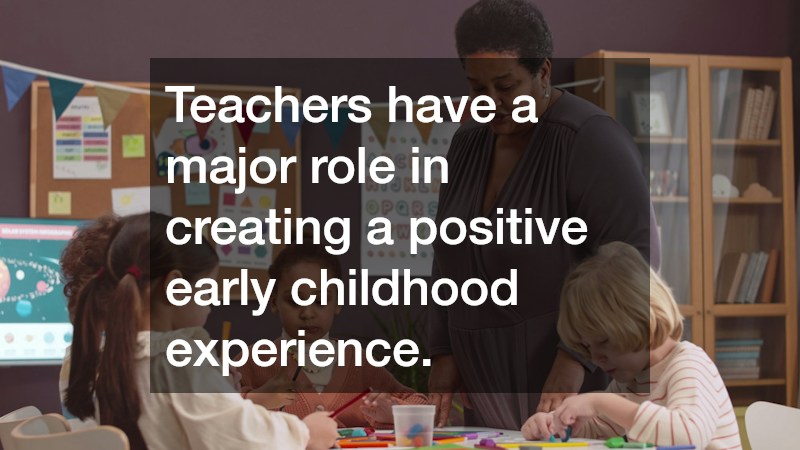
Teachers have a major role in creating a positive early childhood experience. During a visit, pay attention to how educators interact with children. Do they speak respectfully and patiently? Do they encourage children to ask questions and express themselves? Do they seem attentive to individual needs?
Parents may also want to ask about teacher qualifications, classroom experience, and professional development. Understanding the ratio of teachers to children can provide additional insight into how much individual attention children may receive.
A quality preschool should have educators who understand that children develop at different rates. Rather than expecting every child to learn in exactly the same way, teachers should be prepared to encourage each child’s interests, strengths, and areas for growth.
Ask About the Curriculum
Not every early childhood program approaches learning in the same way. Before enrolling, ask what children are expected to learn and how those goals are incorporated into daily activities. The curriculum may include early literacy, numbers, science, art, music, physical development, communication, and social-emotional learning.
Parents should also ask how learning is adapted for different ages and developmental stages. Activities should be challenging enough to encourage growth while remaining appropriate for young children.
It can be helpful to request examples of a typical day’s activities. This gives families a clearer picture of how the program combines learning and play. Parents can also ask how educators observe children’s progress and communicate developmental milestones throughout the year.
Look at Safety and Cleanliness
Safety should be one of the most important considerations when evaluating a local program. Ask about visitor policies, staff background checks, emergency procedures, supervision, secure entrances, and how children are released to authorized adults.
The physical environment deserves attention as well. Classrooms, bathrooms, playgrounds, and common areas should be maintained regularly. Outdoor play areas should be designed with young children in mind and checked for potential hazards.
Families should also ask about illness policies, allergies, medication procedures, and sanitation practices. Clear policies can help parents understand how the school handles common health and safety situations.
Evaluate Communication With Families
Good communication can make the relationship between families and educators much stronger. Ask how teachers share updates about a child’s day, progress, activities, and classroom experiences. Some programs use apps or digital platforms, while others rely on written notes, emails, phone calls, or parent meetings.
It is equally important to understand how the program handles concerns. Parents should feel comfortable asking questions and discussing their child’s needs. A preschool that encourages open communication can make it easier for families and educators to work together.
During a tour, notice whether staff members are willing to answer questions thoroughly. Their responsiveness can provide useful insight into the overall experience families can expect.
Choose a Place That Fits Your Child
There is no single program that will be perfect for every family. Children’s personalities, interests, developmental needs, and family schedules can all influence which environment is the right fit. The goal is to find a setting that provides appropriate learning opportunities while helping children feel safe, respected, and encouraged.
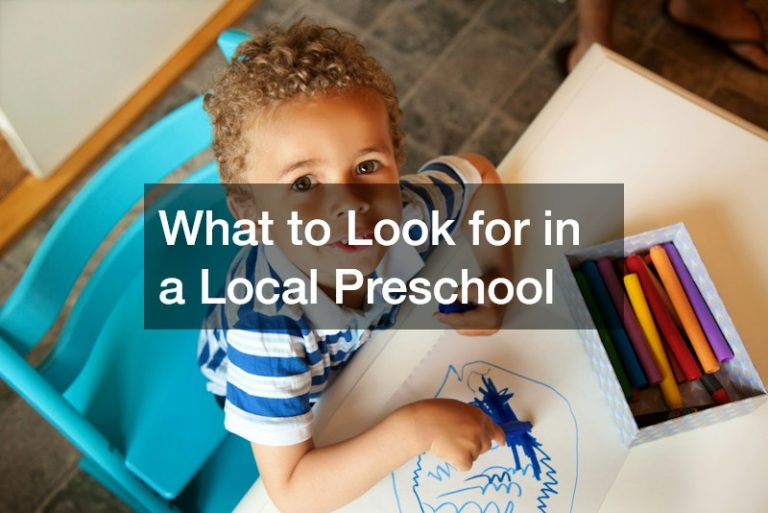
When researching a preschool, consider the quality of the learning environment, teachers, curriculum, safety procedures, communication, and daily routines. Taking a thoughtful approach can help families choose an early childhood setting that supports their child’s first experiences with school and establishes a strong foundation for future learning.
Take the time to visit local programs, ask questions, and learn what each one offers so you can make an informed choice for your child and family.