
Household safety is one of the most important yet often underestimated responsibilities families face when raising children. A home is meant to be a place of comfort, growth, and protection, but without thoughtful planning and maintenance, it can also present hidden risks. From everyday household systems to outdoor features and structural elements, many aspects of a home can unintentionally create hazards for children who are naturally curious and still learning how to navigate their environment. Understanding why household safety deserves consistent attention helps families take proactive steps that protect both physical well-being and peace of mind.
Children interact with their surroundings differently from adults. They explore by touching, climbing, pulling, and testing boundaries, often without recognizing danger. This makes household safety a dynamic process rather than a one-time checklist. As children grow, new risks emerge, requiring families to reassess their home environment regularly. What was safe for a toddler may not be adequate for a curious preschooler or an adventurous older child. Viewing household safety as an ongoing commitment helps parents stay responsive to these changing needs.
Beyond physical protection, household safety also plays a role in emotional security. Children who feel safe at home are more likely to explore confidently, develop independence, and build healthy routines. Parents benefit as well, experiencing reduced stress and fewer emergencies when preventative measures are in place. Taking the time to address safety concerns before they escalate supports a stable household where children can thrive.
Modern family life often involves busy schedules, making it easy to overlook maintenance tasks that contribute to household safety. However, many risks are preventable with informed planning and professional support when needed. From addressing structural wear to managing environmental concerns, each decision contributes to a safer living space. By understanding the broader importance of household safety, families can make choices that protect their children today while building habits that support long-term well-being.
Reducing Fire-Related Risks Inside the Home
Fire hazards are among the most serious threats families face, particularly in homes with children. Young children may not recognize the danger of heat, flames, or electrical sources, making prevention essential. Household safety in this area begins with understanding how fires commonly start and how quickly they can spread. Kitchens, electrical outlets, heating equipment, and even everyday electronics can become ignition points if not properly maintained. Taking a proactive approach reduces the likelihood of emergencies and ensures families are prepared if one occurs.
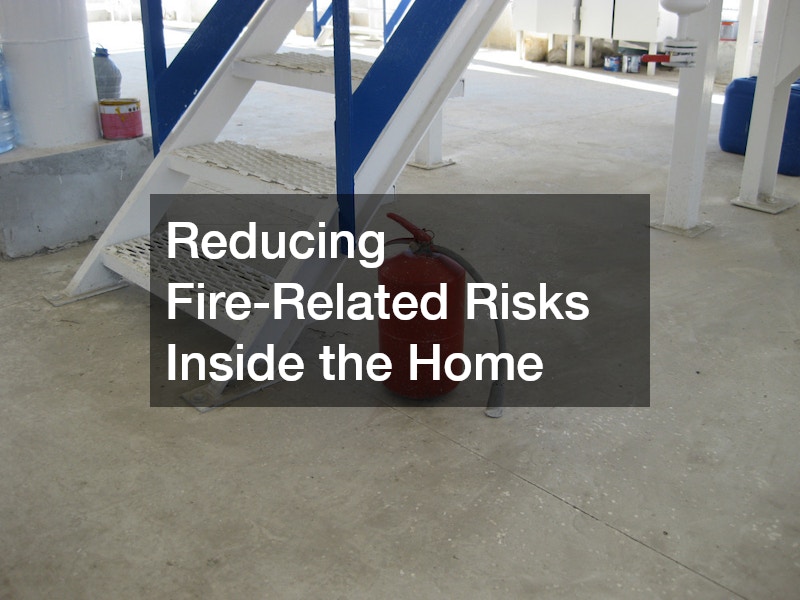
One of the most overlooked aspects of fire prevention is maintenance. Smoke alarms, carbon monoxide detectors, and fire extinguishers must be inspected regularly to remain effective. This is where fire extinguisher testing becomes especially important. Ensuring extinguishers are properly charged and functional provides families with a reliable first line of defense in the event of a small fire. When adults know that safety equipment is operational, they can act quickly and confidently, which is critical when children are present.
Education also plays a key role in household safety related to fire risks. Teaching children age-appropriate fire safety concepts, such as avoiding stoves or understanding what alarms mean, helps them respond appropriately in emergencies. Clear escape plans, practiced regularly, ensure everyone knows what to do if evacuation becomes necessary. These conversations, when repeated over time, become second nature and reduce panic during real situations.
Fire prevention is not limited to equipment and education. Routine inspections of wiring, appliances, and heating systems help identify issues before they escalate. Clutter-free living spaces also minimize fire risks, especially in high-traffic areas. By combining maintenance, education, and preparation, families strengthen household safety and create an environment where children are protected from one of the most dangerous household threats.
Managing Outdoor and Environmental Hazards Around the Home
Outdoor spaces are often where children spend their most active and imaginative time, but they can also introduce unique risks. Yards, driveways, and surrounding property features require careful attention to maintain household safety. Environmental hazards may not always be immediately visible, yet they can pose significant dangers if left unaddressed. Families benefit from regularly evaluating outdoor areas with the same care they give indoor spaces.
One common concern is the presence of insects or wildlife that can threaten children’s safety. Bees, for example, may establish hives in trees, eaves, or sheds, creating a risk for stings or allergic reactions. Addressing bee hive removal promptly helps prevent encounters that could lead to injury. Professional handling ensures the situation is resolved safely without increasing risk to children or disrupting the surrounding environment.
Ground conditions also affect household safety outdoors. Uneven surfaces, cracks, or debris can cause trips and falls, particularly for children who run and play without watching their footing. Maintaining clean walkways, patios, and driveways reduces these risks. In addition, regular upkeep of outdoor structures such as fences, decks, and play equipment ensures they remain stable and secure.
Weather exposure can worsen outdoor hazards over time. Rain, snow, and seasonal changes may weaken structures or create slippery conditions. Routine inspections help families stay ahead of these issues. By maintaining outdoor spaces with intention, parents create environments where children can explore freely while minimizing the likelihood of preventable injuries. Outdoor household safety is about balancing freedom with thoughtful protection, allowing kids to enjoy fresh air without unnecessary risks.
Keeping Structural Elements Safe and Functional
The structural integrity of a home plays a major role in protecting families with children. Walls, ceilings, floors, and support systems are often taken for granted until something goes wrong. However, household safety depends on these elements remaining strong, secure, and free from damage. Small issues can develop into larger problems if ignored, increasing the risk of accidents or long-term health concerns.
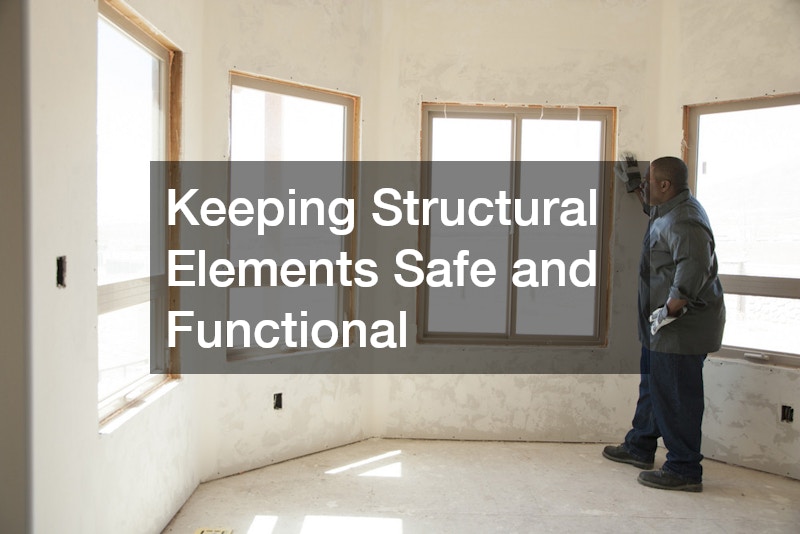
One common issue in family homes is wear and tear to interior surfaces. Holes, cracks, or weakened drywall can pose safety concerns, especially for children who may lean, push, or play near walls. Addressing these problems through a drywall repair service restores stability and prevents further deterioration. Smooth, secure walls reduce the chance of cuts, collapses, or exposure to hidden materials behind the surface.
Structural maintenance also includes managing moisture and foundation issues. Water intrusion can weaken floors, walls, and supports, creating unsafe conditions over time. Damp environments may also contribute to mold growth, which can affect children’s respiratory health. Working with a basement waterproofing company helps protect the foundation and interior spaces from long-term damage while supporting a healthier home environment.
Ceilings, stairs, and railings should also be inspected regularly. Loose handrails or uneven steps increase fall risks, particularly for younger children and visiting guests. Household safety improves when families address minor repairs promptly rather than postponing them. A well-maintained structure not only supports physical safety but also preserves the overall quality and value of the home. When parents prioritize these details, they create a solid foundation for family life.
Preventing Pest-Related Risks in Family Homes
Pests are more than just a nuisance; they can pose serious health and safety risks for families with children. Insects and rodents may carry bacteria, trigger allergies, or damage household structures. Effective household safety planning includes strategies to prevent infestations and address them quickly if they occur. Children are particularly vulnerable because they spend time on floors, touch surfaces frequently, and may put objects in their mouths.
Preventative measures start with maintaining cleanliness and sealing potential entry points. Cracks, gaps, and exposed food sources attract pests, making regular inspections essential. However, even well-maintained homes can experience infestations, especially in certain climates or seasons. This is where local exterminators play an important role. Professional pest control ensures that issues are resolved thoroughly and safely, using methods appropriate for family environments.
Beyond insects and rodents, outdoor pests can also impact household safety. Wasps, ants, and other insects may establish nests near play areas or entryways. Regular monitoring of outdoor spaces helps families identify potential problems early. Addressing these concerns promptly reduces the likelihood of stings, bites, or contamination inside the home.
Education also contributes to pest-related safety. Teaching children not to touch insects or leave food out helps reinforce healthy habits. Parents benefit from understanding the signs of infestations so they can act before problems escalate. By combining preventative care, professional support, and education, families strengthen household safety and reduce health risks associated with pests.
Maintaining Clean and Hazard-Free Living Spaces
Cleanliness is closely tied to household safety, particularly for families with children. Cluttered or dirty spaces increase the risk of falls, exposure to harmful substances, and accidents. Maintaining a clean home goes beyond aesthetics; it directly supports physical safety and overall well-being. Children often play on floors and interact with household items, making it essential to keep living areas organized and hazard-free.
Outdoor cleanliness is just as important as indoor maintenance. Driveways, sidewalks, and patios can accumulate dirt, mold, and debris that create slippery surfaces. Periodic Pressure Washing helps restore these areas, reducing fall risks and improving overall safety. Clean outdoor surfaces also make it easier to spot cracks or damage that may require repair.
Inside the home, managing clutter prevents accidents caused by tripping or falling objects. Toys, shoes, and household items should have designated storage areas to keep walkways clear. Families benefit from establishing routines that involve children in cleaning, teaching responsibility while reinforcing safety habits.
Large or unwanted items can also create hazards if left unattended. Old furniture, broken appliances, or accumulated debris take up space and may contain sharp edges or unstable components. Utilizing junk hauling services helps families remove these items efficiently, restoring safe and functional living spaces. A clean, organized home supports household safety by reducing distractions and minimizing risks, allowing children to move freely without unnecessary obstacles.
Addressing Yard and Property Maintenance for Child Safety
Yard maintenance is a critical yet sometimes overlooked aspect of household safety. Trees, shrubs, and surrounding property features can pose risks if not properly managed. Children who play outside may not recognize dangers such as falling branches or unstable surfaces, making regular inspections essential for parents.
One significant concern is overgrown or damaged trees. Dead or weakened branches can break off unexpectedly, especially during storms or high winds. Professional branch removal reduces the risk of injury and property damage, ensuring outdoor spaces remain safe for children. Addressing these issues proactively prevents accidents before they occur.
Ground-level hazards also impact safety. Cracks, uneven pavement, or damaged asphalt in driveways and walkways can lead to trips and falls. Timely pot hole repair restores smooth surfaces, reducing the likelihood of injuries during play or daily activities. These repairs also improve accessibility for strollers, bikes, and scooters commonly used by children.
Routine yard maintenance supports household safety by creating a predictable and secure environment. Keeping lawns trimmed, removing debris, and maintaining clear boundaries all contribute to safer outdoor play. When families invest time and resources into property upkeep, they create spaces where children can enjoy outdoor activities with confidence and reduced risk.

Creating a Culture of Safety Through Planning and Support
Household safety is most effective when it becomes part of a family’s daily mindset rather than a reaction to emergencies. Creating a culture of safety involves planning, communication, and the willingness to seek professional assistance when needed. Families who prioritize safety build routines and habits that protect children while fostering independence and confidence.
Emergency preparedness is a key component of this culture. Families should have clear plans for fire, severe weather, or other emergencies, ensuring children understand basic steps without fear. Access to fire protection services enhances preparedness by providing guidance, inspections, and resources that support safe living environments. When families know where to turn for help, they feel more secure and capable.
Ongoing education reinforces household safety at every stage of childhood. As children grow, safety conversations evolve, addressing new risks and responsibilities. Parents who model safe behavior, such as wearing protective gear or maintaining equipment, set strong examples that children carry into adulthood.
Support systems also matter. Relying on professionals for maintenance, repairs, and inspections allows families to address complex safety concerns effectively. Household safety thrives when families recognize that they do not have to manage every challenge alone. By combining planning, education, and expert support, families create homes that protect children today and prepare them for a safe, confident future.